John Kasich’s eight years as governor, and the choices still shaping Ohio towns
From Medicaid expansion to cuts in local government aid, decisions made in the Kasich years still show up in Bellevue-area budgets.
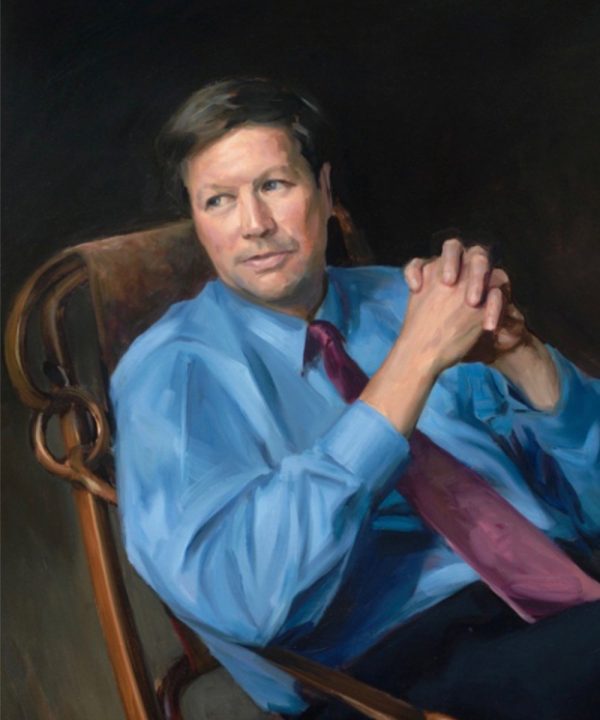
John Kasich left the governor’s office in January 2019, but small-town Ohio is still living with two of his biggest decisions: expanding Medicaid and cutting the state money that once flowed to cities, villages and townships.
Kasich, a Republican, served two terms as governor from 2011 to 2019. Before that he represented a Columbus-area district in Congress for 18 years and chaired the House Budget Committee during the balanced-budget deals of the late 1990s.
Medicaid expansion
In 2013, Kasich expanded Medicaid under the Affordable Care Act over the objections of many in his own party, using the state Controlling Board to approve federal money when the legislature would not. Hundreds of thousands of low-income Ohio adults gained coverage. Rural hospitals, including independent ones like Bellevue Hospital, saw fewer uninsured patients as a result. The expansion remains in place, though the legislature has repeatedly debated work requirements.
The local government fund
Kasich’s first budget, written to close a large deficit, cut the Local Government Fund roughly in half and phased out the estate tax, which had sent money to the townships and villages where estates were settled. City and village leaders across Ohio have said those cuts forced them to ask voters for more income tax or levies. That history is part of why levy campaigns are so common, a topic we follow in Finance.
Fracking, tax cuts and a presidential run
Kasich cut the state income tax rate several times, shifted more weight to sales taxes, and presided over the boom in shale drilling in eastern Ohio. In 2016 he ran for president and won only his home state’s primary before dropping out. He did not endorse Donald Trump.
Since leaving office he has been a commentator and author. His record as governor is summarized in archived materials at the governor’s office and the state budget documents kept by the Legislative Service Commission. The current governor, Mike DeWine, succeeded him.