What area farmers are doing to keep fertilizer out of Lake Erie
From soil testing to winter cover crops, state rules and incentive programs are changing how fields around Bellevue are managed.
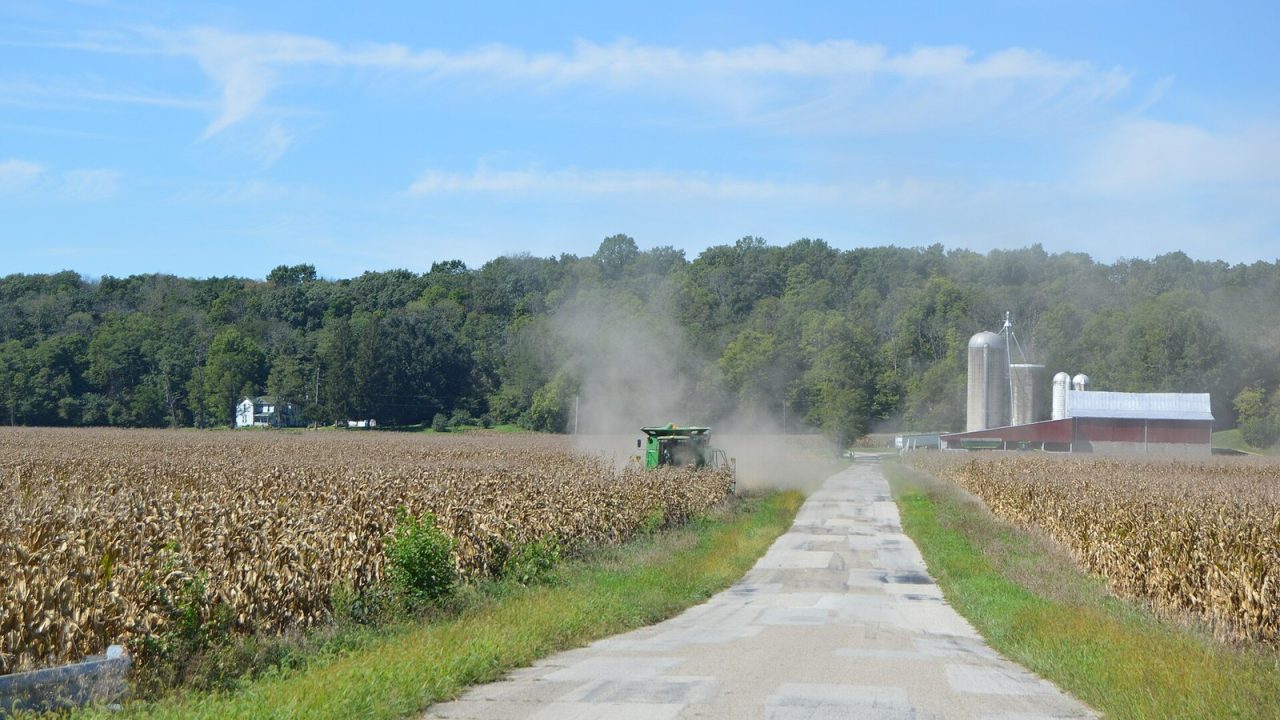
The farmland around Bellevue drains to Lake Erie, through creeks that feed the Sandusky River, the Huron River and Sandusky Bay. That puts local farms in the middle of the effort to shrink the lake’s summer algal blooms.
The rules
Ohio has adopted several laws since 2014. Farmers who apply commercial fertilizer on more than 50 acres must be certified, which requires training on application and runoff. Since 2015, farms in the western Lake Erie basin have been barred from spreading fertilizer or manure on frozen or snow-covered ground, or when heavy rain is forecast. The Ohio Department of Agriculture administers the certification program.
The 4R approach
Much of the work follows what agronomists call the 4Rs: the right fertilizer source, at the right rate, at the right time, in the right place. In practice that means testing soil to avoid over-applying phosphorus, placing fertilizer below the surface instead of broadcasting it, and avoiding applications before storms.
Cover crops and drainage
Cover crops such as cereal rye, planted after harvest, hold soil and nutrients over winter. Some farmers install drainage control structures that hold water in fields during parts of the year. Others build buffer strips along ditches.
Paying for change
Ohio’s H2Ohio program, which we covered in our story on Gov. DeWine’s final year, pays farmers per acre for adopting nutrient management plans and other practices. Federal programs through the USDA also share costs. Thousands of farms have enrolled.
Does it work?
Scientists say it is too early to see full results in the lake, because weather has a large effect on runoff. Heidelberg University’s monitoring, described in our story on its water lab, will help track progress. For the lake side, see our algal bloom explainer. More in Farm & Rail.